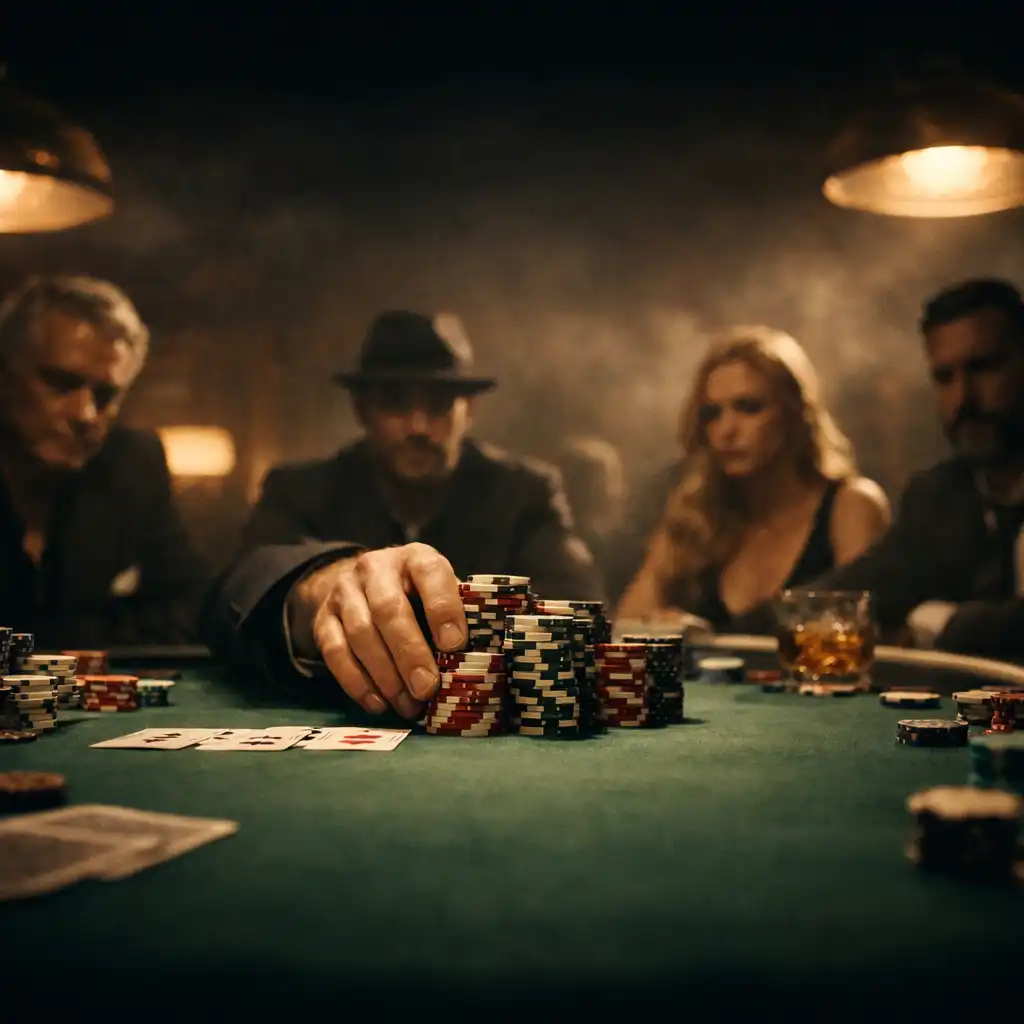
A tense high-stakes casino table moment with a player pushing chips forward under warm, smoky light

Iconic Casino Scenes

The Moment the Cards Turn

Casino scenes are cinema's purest distillation of risk. A single hand, a single choice, can define a character forever.

What Makes a Scene Iconic

An iconic casino scene is not just memorable; it changes how we understand the characters and the story. Three qualities separate a passing moment from a scene that lingers for decades.

  • A clear dramatic pivot or reversal. The best scenes turn the story in an instant, forcing characters to reveal who they really are.
  • The casino as metaphor. Risk, fate, and consequence become visible through the table, the cards, and the chips.
  • A lasting visual or emotional impression. The frame, the silence, or the gesture stays with the viewer long after the credits roll.
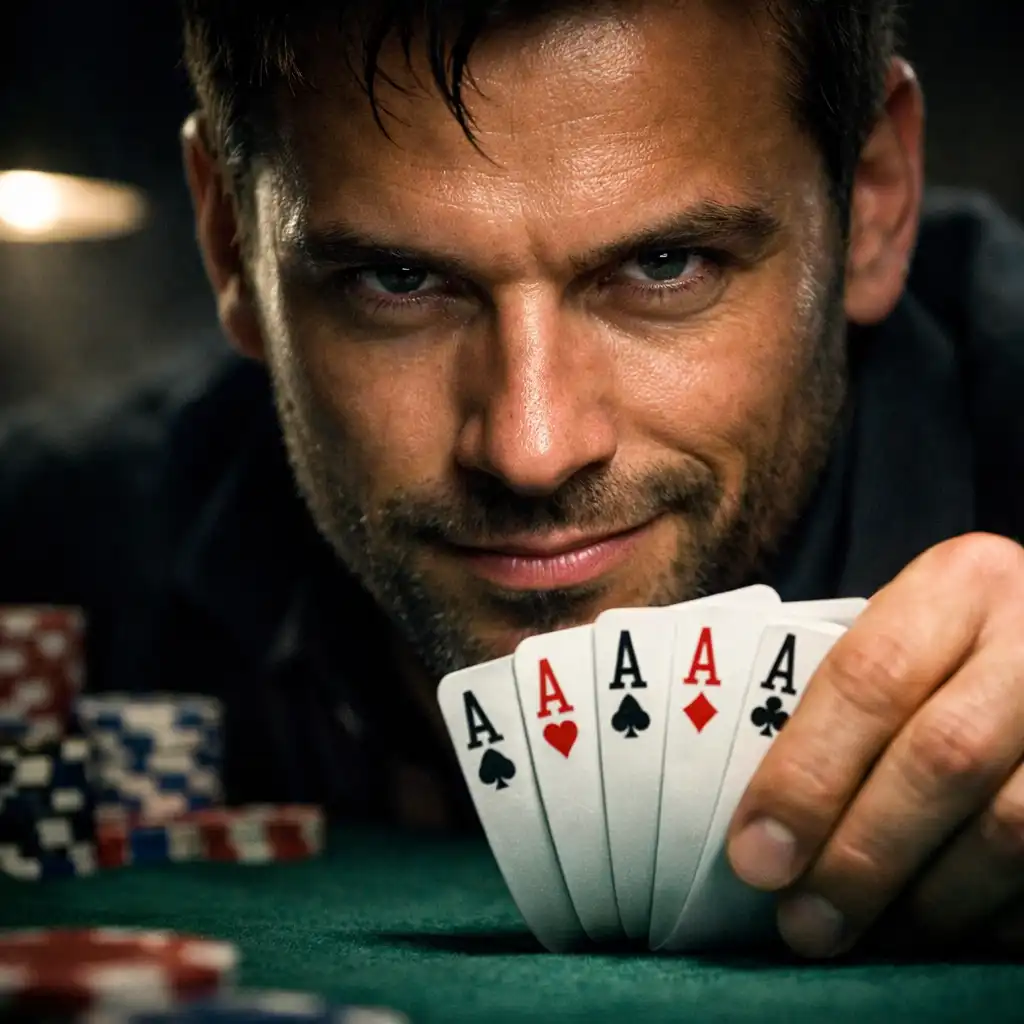
Close-up of a man's intense eyes as he lays down a winning poker hand in Casino Royale

Signature Scene Breakdown

The Final Hand in Casino Royale

The climactic poker game in Casino Royale is a masterclass in tension, where every glance and chip push carries the weight of the entire film. Director Martin Campbell builds the sequence around close-ups and long silences, letting the audience feel each heartbeat between bets. Bond's bluff reveals his emotional vulnerability beneath the cool exterior, and the outcome redefines the character for the rest of the franchise.

What makes the scene so effective is its restraint. The camera rarely leaves the table, and the sound design focuses on the smallest details: the click of chips, the slide of a card, the shallow breath before a call. In that pressure, Bond stops being an untouchable spy and becomes a man risking everything on a single read.

Every glance and chip push carries the weight of the entire film.

The Countdown: Top Casino Scenes

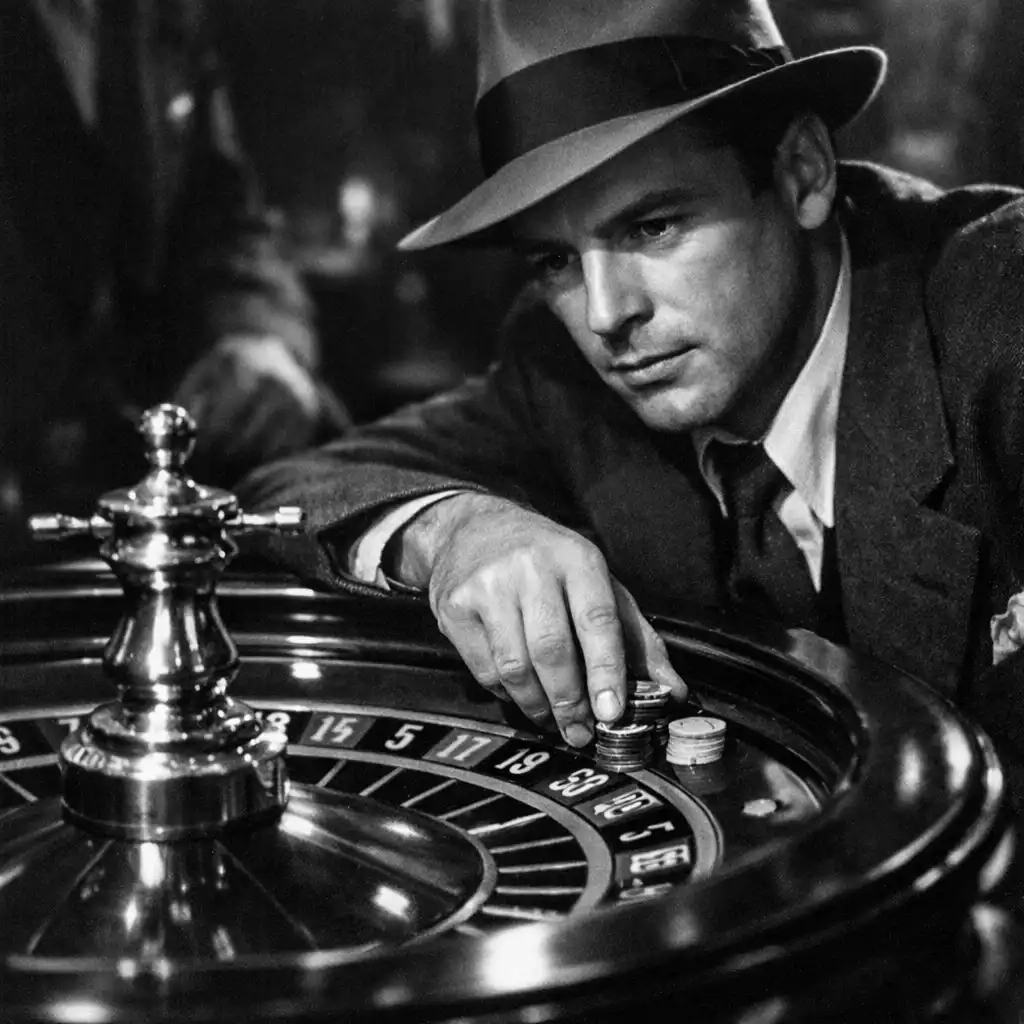
  1. Black-and-white still of a roulette wheel in Casablanca with a man placing a bet

    The Roulette Wheel in Casablanca

    Rick's manipulation of the roulette wheel is a quiet act of defiance that speaks volumes about his character. The scene uses a fixed camera and minimal dialogue to heighten the moment, revealing Rick's hidden idealism beneath his cynical exterior. The outcome is a small but significant victory for the resistance.

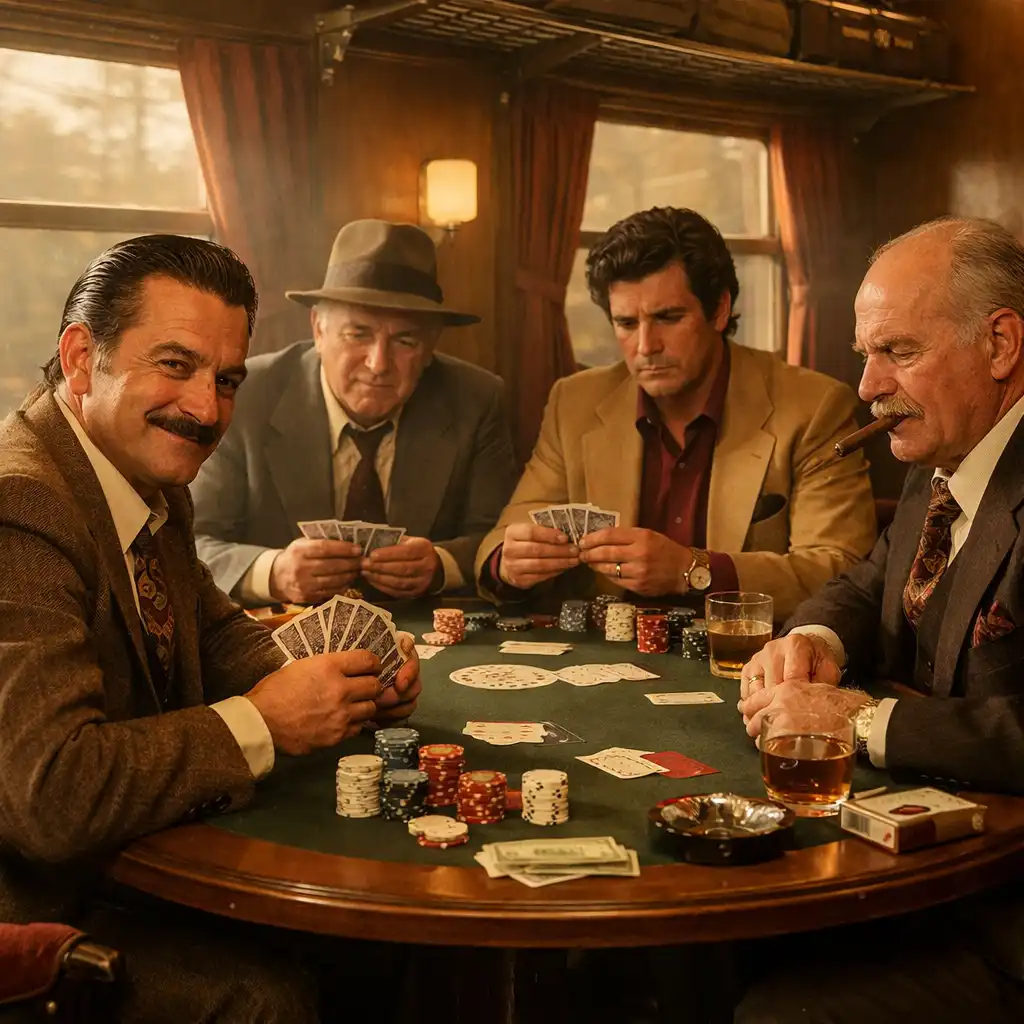
  2. Four men in period suits play poker on a train in The Sting

    The Poker Game in The Sting

    The high-stakes poker game on the train is a con within a con, where every gesture is a calculated performance. It is a masterclass in misdirection and character acting, establishing the film's playful yet tense tone. The resolution sets up the larger con to come.

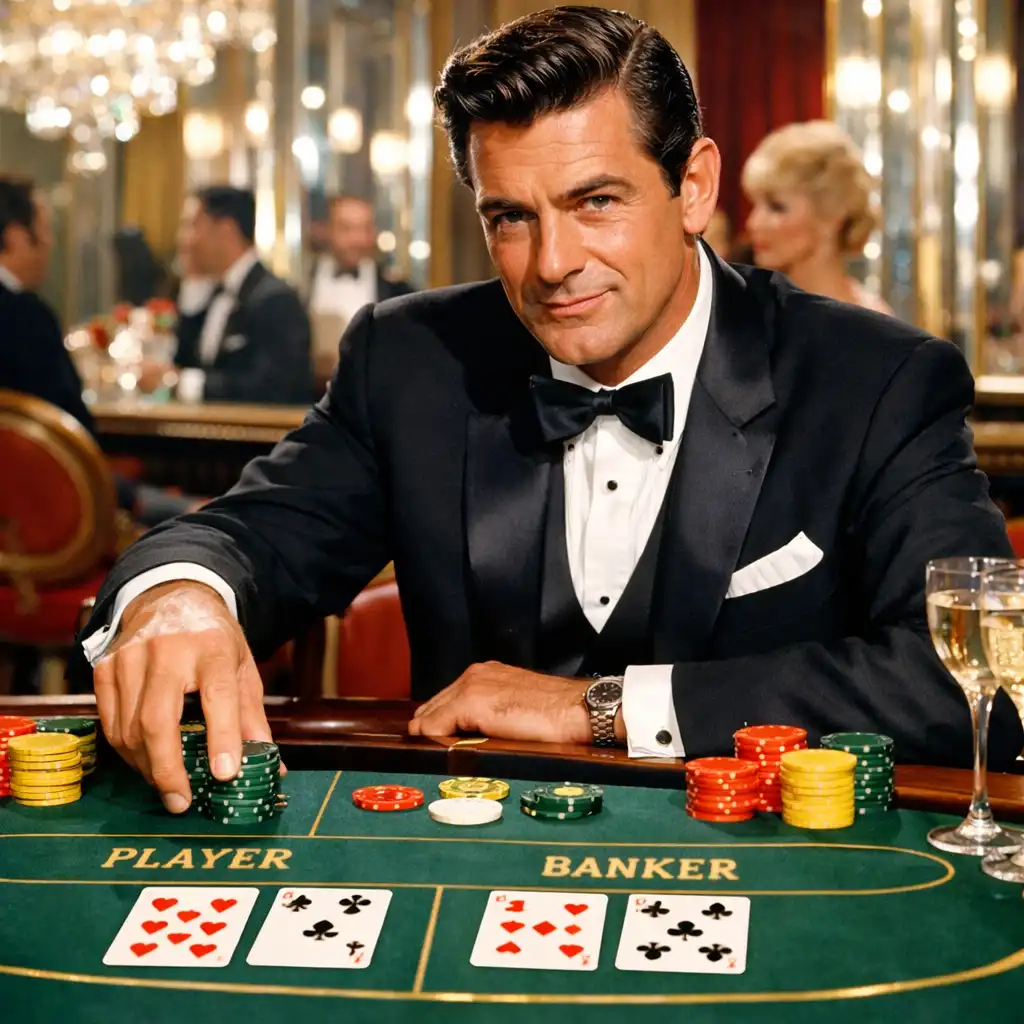
  3. A suave man in a tuxedo places a bet at a baccarat table in Dr. No

    The Baccarat Showdown in Dr. No

    James Bond's cool composure at the baccarat table introduces the character's signature blend of elegance and danger. The scene establishes Bond's skill and arrogance, using the casino as a glamorous backdrop for espionage. The encounter with Sylvia Trench adds a layer of intrigue.

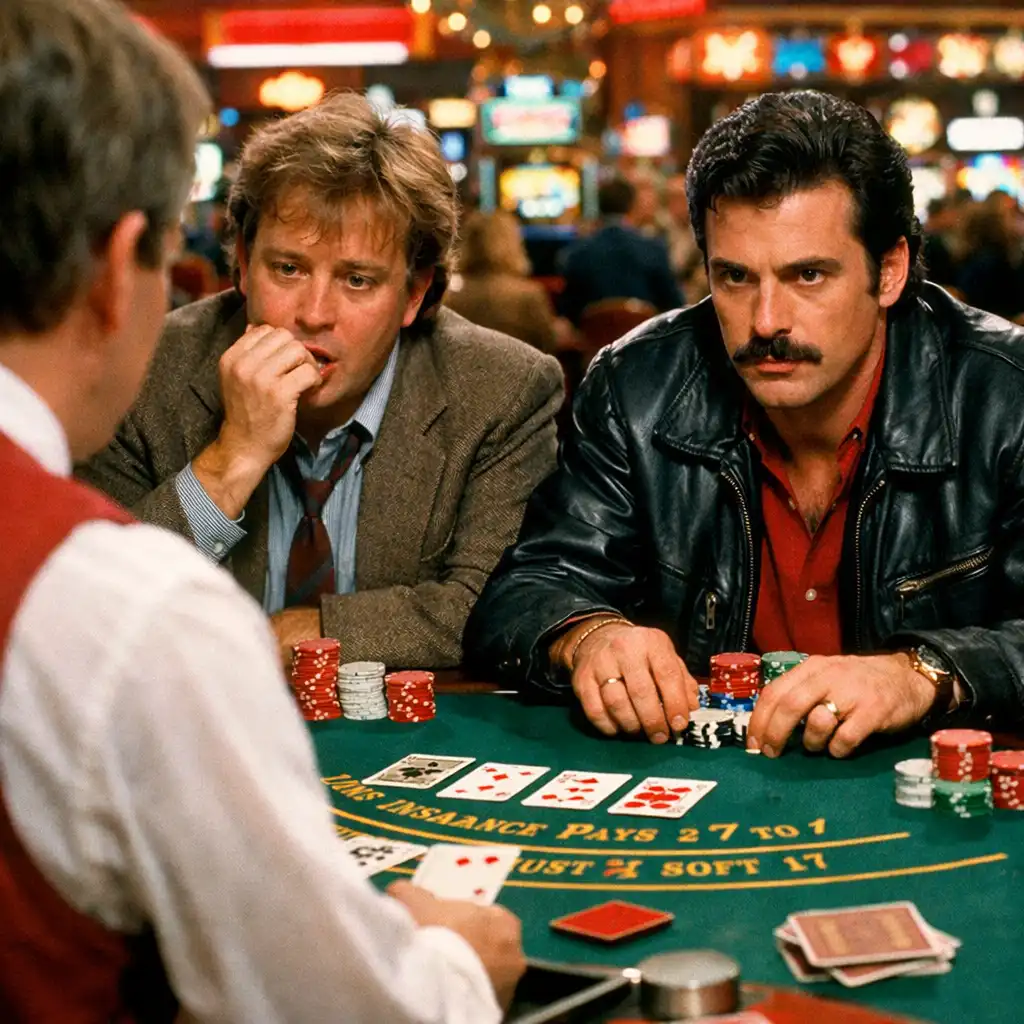
  4. Two men at a blackjack table in Rain Man, one focused and one anxious

    The Blackjack Scene in Rain Man

    Raymond's card-counting ability turns a casino trip into a heartwarming heist, blending comedy and pathos. The scene uses Raymond's repetitive behavior to build a winning strategy, highlighting the brothers' growing bond. The casino's reaction adds a layer of tension.

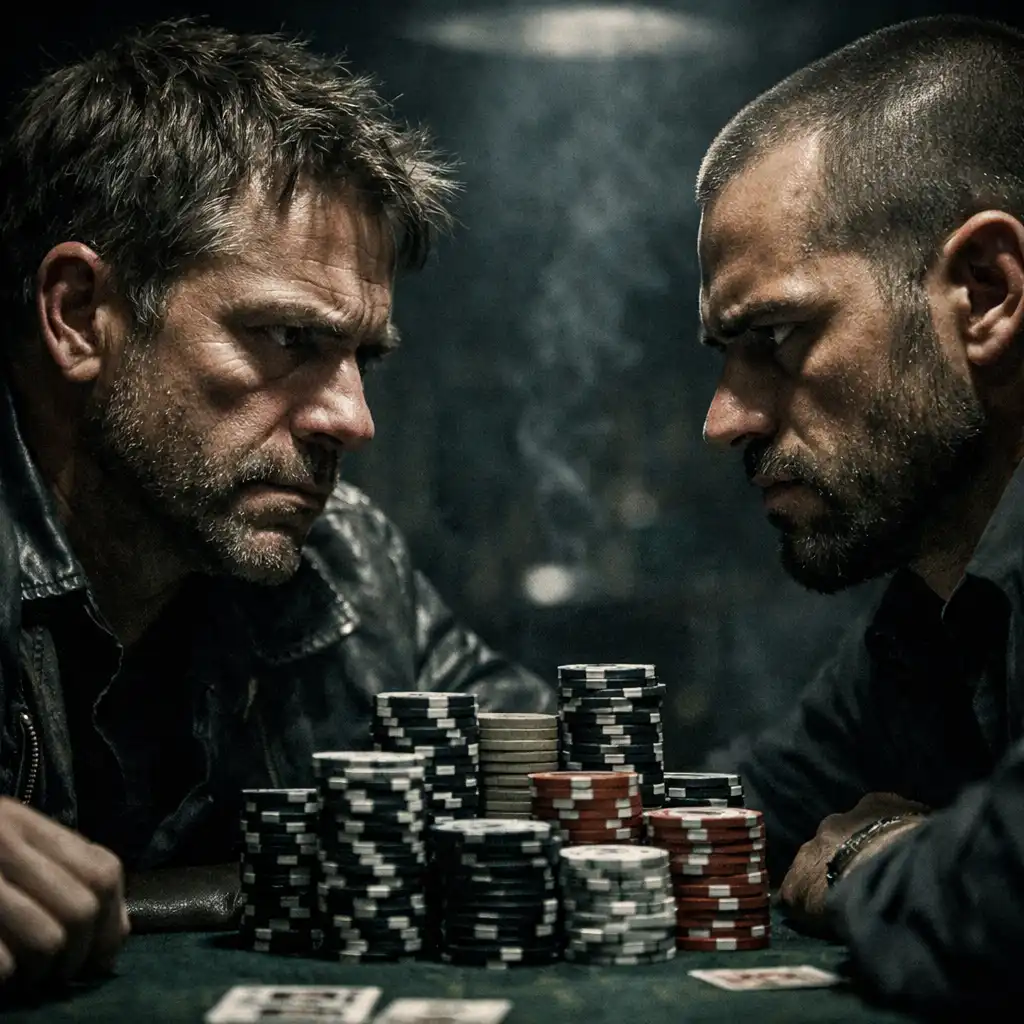
  5. Two men face off across a poker table in Rounders, stacks of chips between them

    The Final Hand in Rounders

    Mike McDermott's showdown with Teddy KGB is a battle of wits and nerve, where reading the opponent is everything. Extreme close-ups convey psychological pressure, and Mike's decision to trust his read defines his character arc. The outcome is both a victory and a cautionary tale.

Craft of the Casino Scene

Editing and Rhythm

Casino scenes often use rapid cuts or long takes to control the audience's heartbeat. Quick cuts can simulate the chaos of a busy casino floor, while long takes build suspense by forcing the viewer to wait. Sound design, from chip clicks to silence, is crucial.

Performance and Close-ups

The best casino scenes rely on actors' micro-expressions to convey hidden thoughts. Close-ups on eyes and hands reveal tells and bluffs, and actors often underplay to let the audience project tension. Blocking around the table creates power dynamics.

Production Design and Lighting

Casino sets are designed to feel both glamorous and oppressive, with lighting that isolates characters. Low-key lighting creates shadows and moral ambiguity, while the cluttered table contrasts with the focused protagonist. Color palettes often use reds and greens to suggest risk and money.

Themes of Risk and Consequence

Casino scenes often dramatize the tension between luck and skill, and the illusion of control. Characters frequently misread probability, leading to downfall, and the casino setting externalizes internal conflict. Iconic scenes often hinge on a moment of self-deception.

What makes these moments resonate is their honesty about human nature. The gambler's fallacy is not just a statistical error; it is a story about hope, pride, and the refusal to accept chance. When a character pushes all their chips forward, they are betting on more than the next card — they are betting on who they believe themselves to be.

The casino setting externalizes internal conflict.