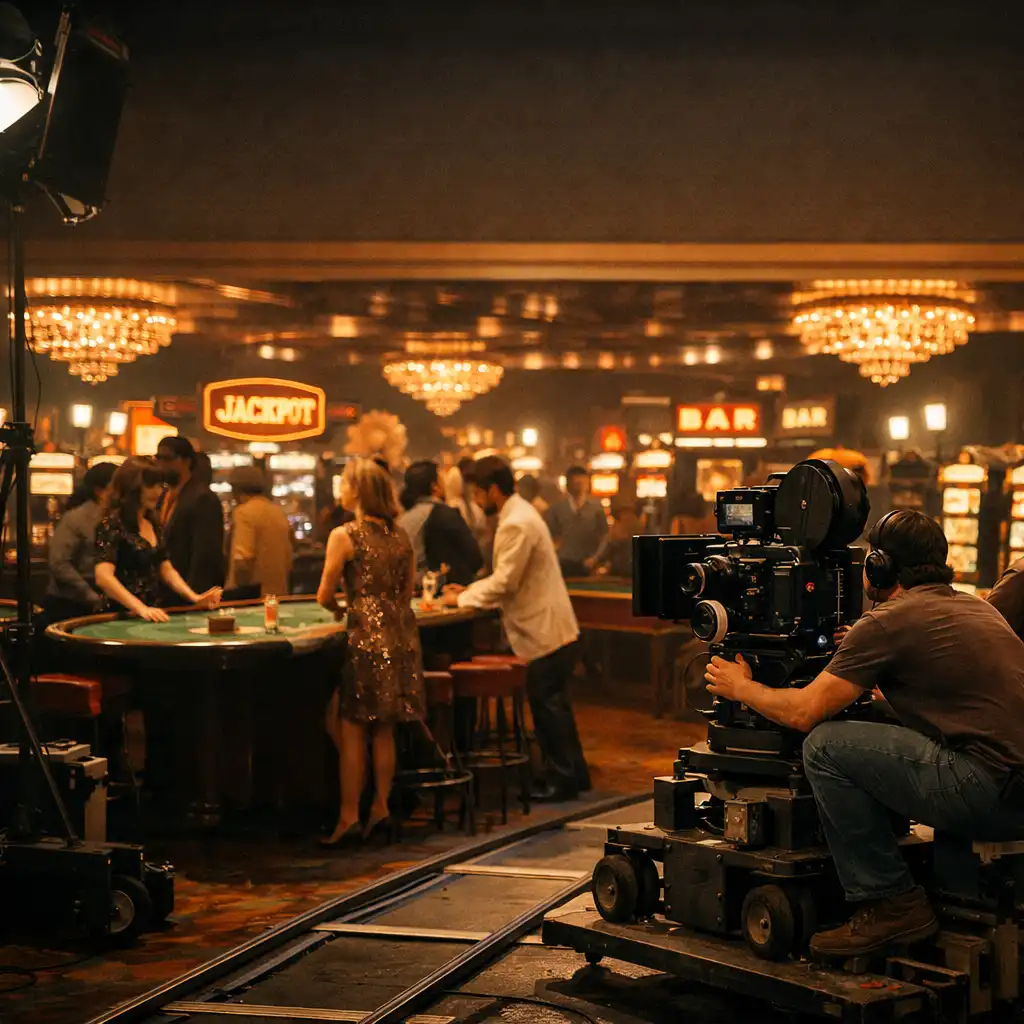
Film crew positioning a camera on a detailed 1970s Las Vegas casino set

The Craft Behind the Cards

Behind every great casino film is a team of filmmakers obsessed with authenticity, tension, and character. This page explores the production stories, directorial choices, and real-world influences that shaped the genre's most memorable moments.

Casino films are not just about gambling; they are about risk, deception, and human psychology. Filmmakers often spend months researching real casinos, consulting with gamblers, and studying surveillance footage. The page features case studies, interviews, and archival insights from classic and modern casino films.

Production Case Study

Casino (1995)

Researching the Real Las Vegas

Scorsese and screenwriter Nicholas Pileggi spent months interviewing former casino executives, pit bosses, and mob associates to capture the authentic language and rituals of the gambling world. Pileggi's book Casino: Love and Honor in Las Vegas was based on the true story of Frank 'Lefty' Rosenthal. The production consulted with former casino employees to ensure accurate dealer procedures and surveillance techniques.

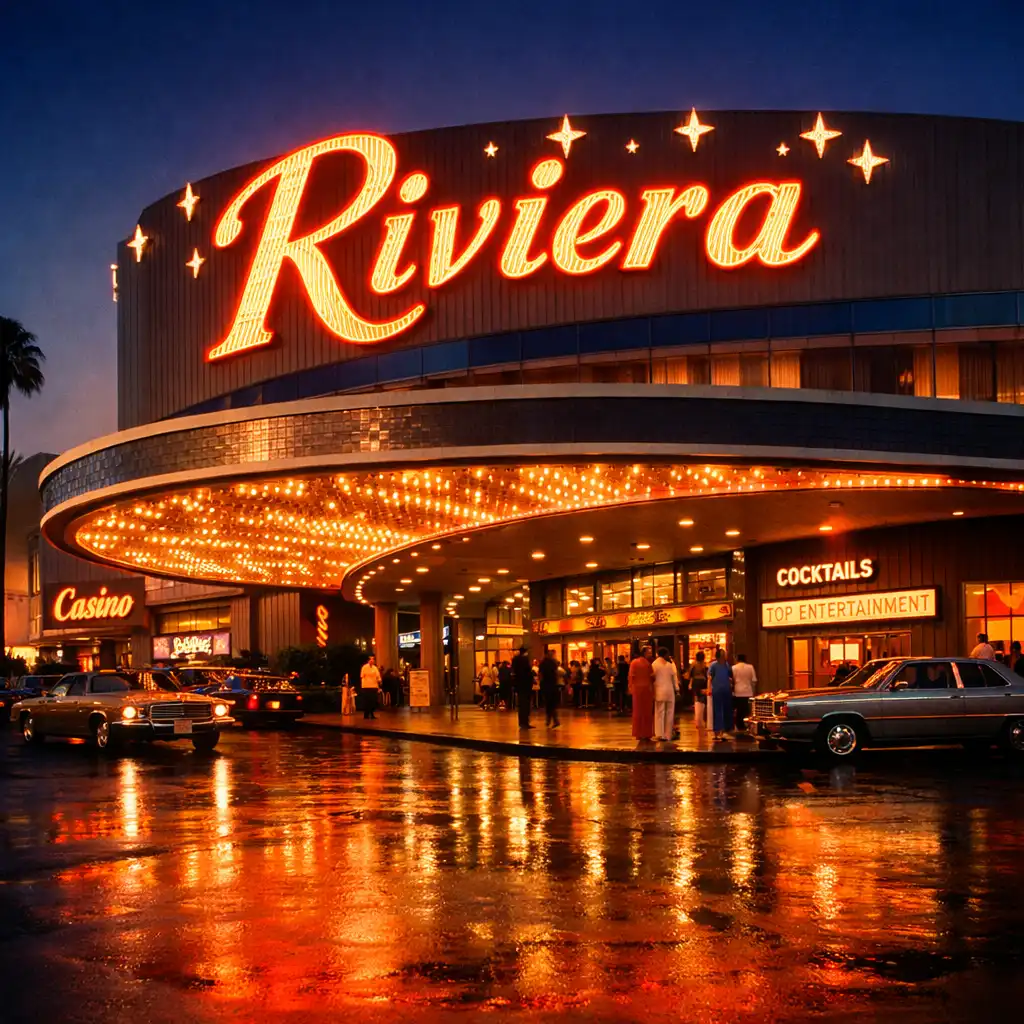
Real locations, such as the Riviera and Landmark casinos, were used before their demolition. This commitment to research gave the film its documentary-like texture and made the fictional Tangiers feel disturbingly real.
Building the Tangiers

The fictional Tangiers casino was a composite of several real Las Vegas establishments, recreated on soundstages and in practical locations to match the era's opulent yet gritty atmosphere. Production designer Dante Ferretti created a lavish casino floor with custom carpets, chandeliers, and slot machines.

The casino set was built to allow long tracking shots through the gaming floor, a Scorsese trademark. Costume designers Rita Ryack and John Dunn created hundreds of period-accurate outfits for extras. The production design was nominated for an Academy Award.

Directing Tension Through Voiceover

Scorsese's use of multiple voiceover narrators, rapid editing, and a dense soundtrack creates a sense of information overload that mirrors the chaotic world of casino operations. The film features dual narration from De Niro's Ace Rothstein and Pesci's Nicky Santoro.

Editor Thelma Schoonmaker used a fast-paced cutting style to heighten tension. The soundtrack includes over 50 songs, carefully chosen to reflect the era and emotional beats. The film's runtime is approximately 178 minutes.

Directorial Techniques

Building Tension

Blocking and Camera Movement

Directors often use slow, deliberate camera movements and precise blocking to mirror the calculated nature of gambling. A slow push-in on a player's face can convey the weight of a decision. In Rounders (1998), director John Dahl uses tight close-ups during poker hands to focus on micro-expressions.

Scorsese's long tracking shots in Casino immerse the viewer in the casino environment. Static shots can create a sense of surveillance, as if the audience is watching through security cameras.

Sound Design and Silence

The contrast between the cacophony of a casino floor and the sudden silence of a high-stakes moment is a powerful tool. Directors use sound to manipulate audience anxiety. In The Cincinnati Kid (1965), the final poker game is nearly silent except for the shuffle of cards and the ticking of a clock.

Modern films like Molly's Game (2017) use layered soundscapes to build tension. The absence of music can make a scene feel more realistic and immediate.

Editing Rhythm

Fast cuts can simulate the adrenaline of a winning streak, while longer takes allow the audience to study a character's decision-making process. Editors play a crucial role in pacing. Thelma Schoonmaker's editing in Casino alternates between rapid montages and extended dialogue scenes.

In 21 (2008), the card-counting sequences use quick cuts to convey mental calculation. Cross-cutting between players and the dealer can heighten suspense.

Real Casinos and Locations

Where the Stories Were Shot

Las Vegas Classics

Many classic casino films were shot on location in Las Vegas, capturing the city's unique blend of glamour and grit. The Riviera, Stardust, and Landmark casinos all appear in Casino. The Riviera was used for exterior shots and some interiors before its demolition in 2016.

The Stardust's iconic sign appears in several establishing shots, and the Landmark's distinctive tower is visible in the background of many scenes. These real locations grounded the film's fictional story in a tangible, fading world.

Exterior of the Riviera casino in Las Vegas at dusk, with a large neon sign
The Riviera's neon sign, captured before the casino's demolition in 2016.

International Gambling Hubs

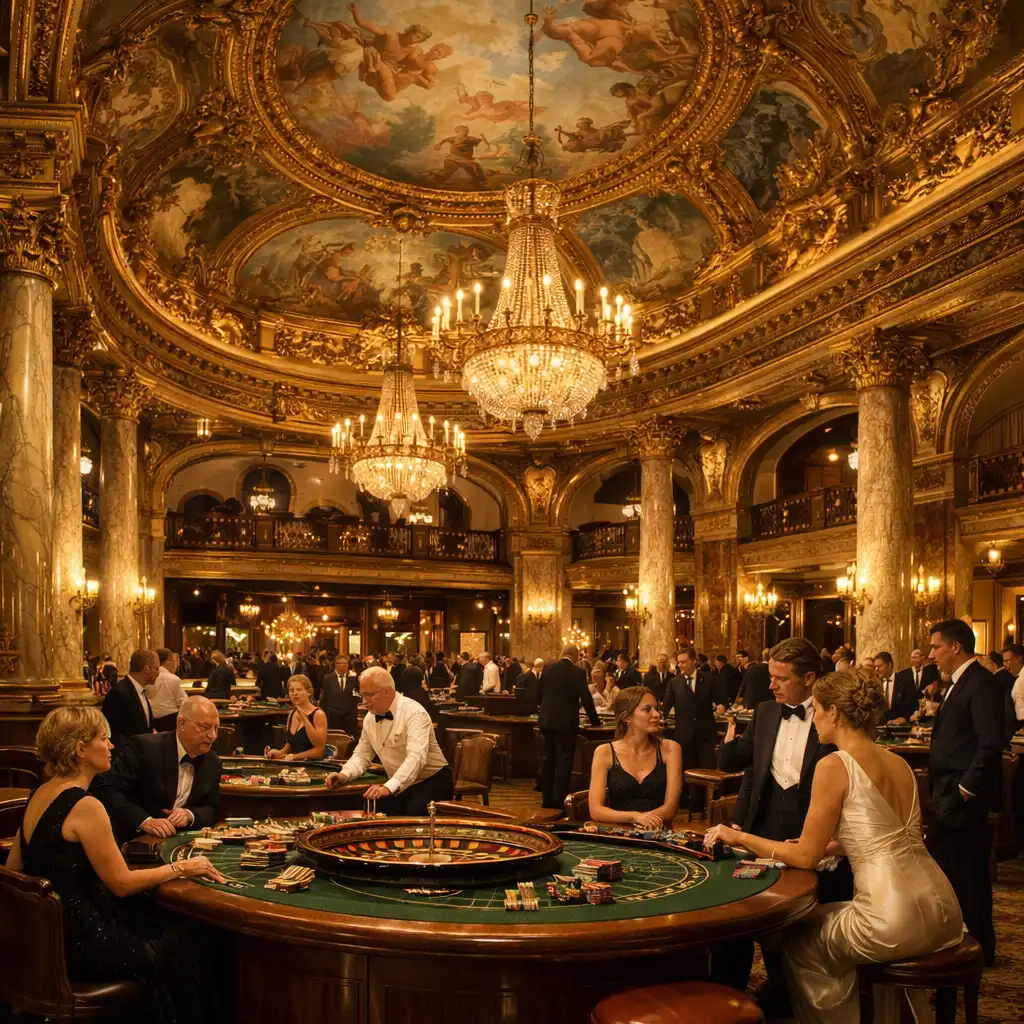
Films like Casino Royale (2006) and The Gambler (1974) used international locations to add authenticity and visual variety. Monte Carlo, Macau, and London have all served as backdrops. Casino Royale features the Casino de Monte-Carlo in Monaco.

Macau's casinos appear in several modern films, including Now You See Me 2 (2016). London's private gambling clubs were used in The Gambler. These locations bring a different kind of glamour and danger to the screen.

Ornate interior of the Casino de Monte-Carlo with gold leaf, marble columns, and roulette tables
The Casino de Monte-Carlo, a Belle Époque landmark used in Casino Royale.

Production Design and Costume

Creating the Visual World

Designing the Casino Floor

Production designers often build elaborate casino sets that are both historically accurate and visually striking. The goal is to immerse the audience in a world of wealth and risk. In The Sting (1973), the production design recreates 1930s Chicago with meticulous detail.

Modern films like Ocean's Eleven (2001) used real Las Vegas casinos for authenticity. Set decorators fill the frame with period-appropriate props, from chips to ashtrays. The Sting won an Academy Award for Best Art Direction.

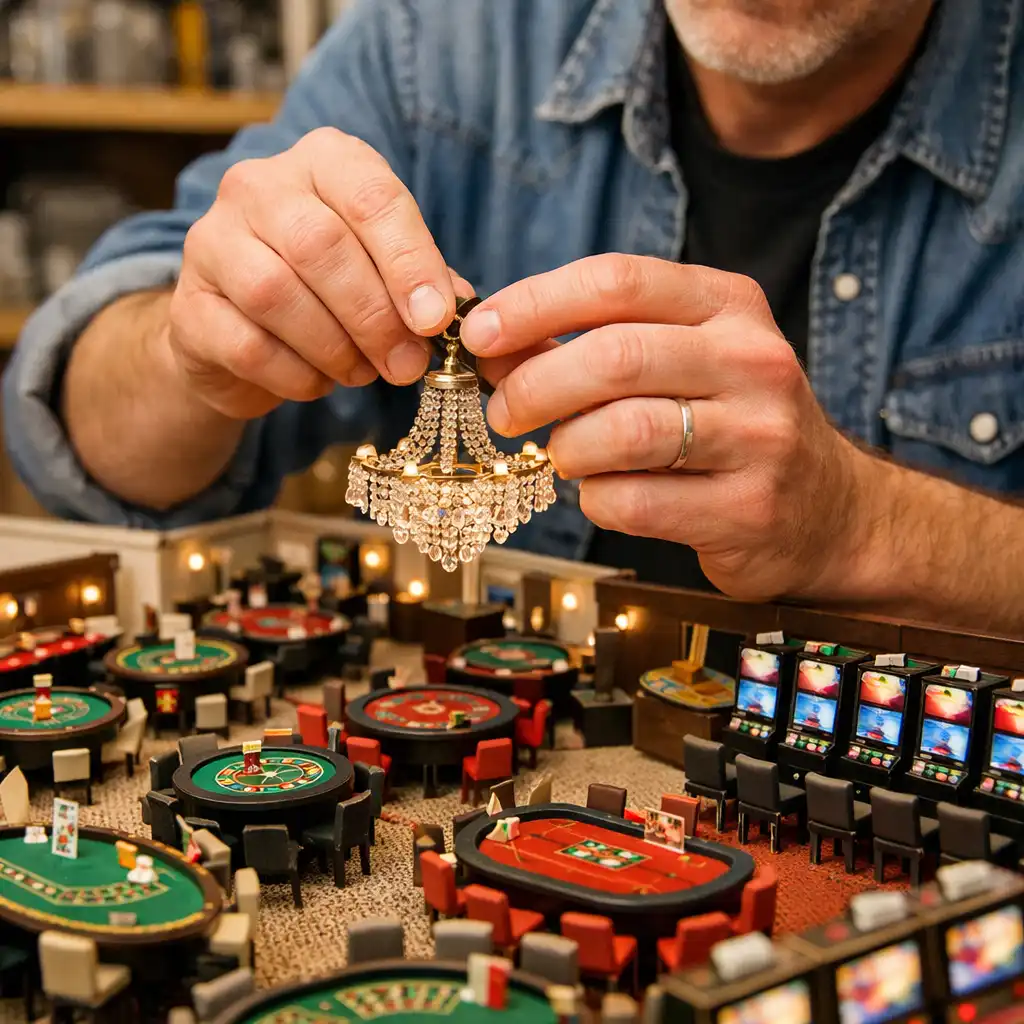
Production designer adjusting a scale model of a casino set with tiny tables and slot machines
A scale model of a casino floor, used to plan camera moves and lighting.

Costume as Character

Costumes in casino films often signal a character's status, personality, and transformation. A sharp tuxedo can convey confidence, while a rumpled suit suggests desperation. In Casino, Sharon Stone's costumes evolve from showgirl glamour to troubled excess.

James Bond's tailored suits in Casino Royale reinforce his sophistication. Period films like Bugsy (1991) require extensive research into 1940s fashion. The right costume can tell the audience everything they need to know before a single line is spoken.

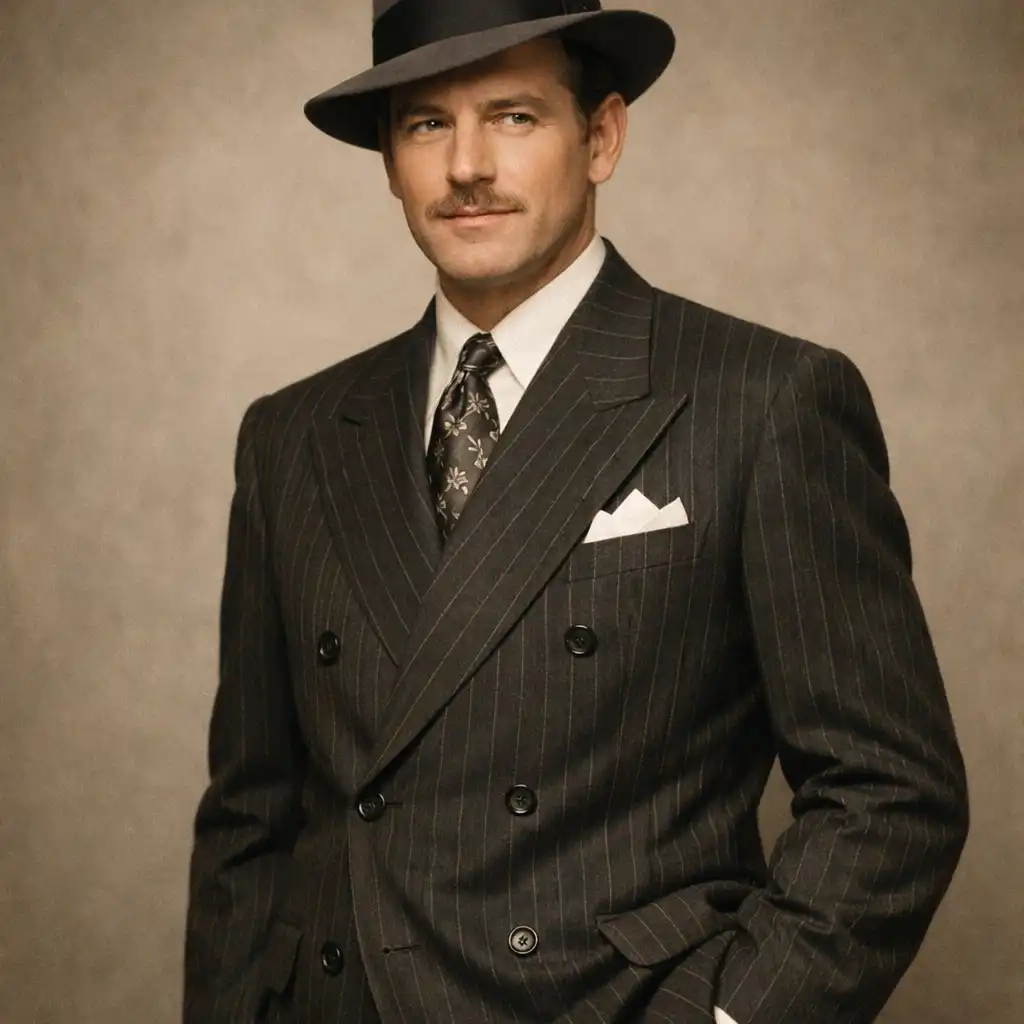
Actor in a 1940s-style double-breasted pinstripe suit and fedora, standing against a neutral background
A costume test for a period casino film, showing the sharp lines of 1940s tailoring.

Actor Preparation and Character Development

Becoming the Gambler

Learning the Game

Many actors spend weeks learning the rules and techniques of poker, blackjack, or other games to make their performances convincing. Some even consult with professional gamblers. Matt Damon and Edward Norton trained with poker professionals for Rounders.

In Molly's Game, Jessica Chastain studied the real Molly Bloom's mannerisms. Actors in 21 learned basic card counting to understand the mental process. This preparation shows in the smallest gestures: the way a player checks their cards, stacks chips, or watches the dealer.

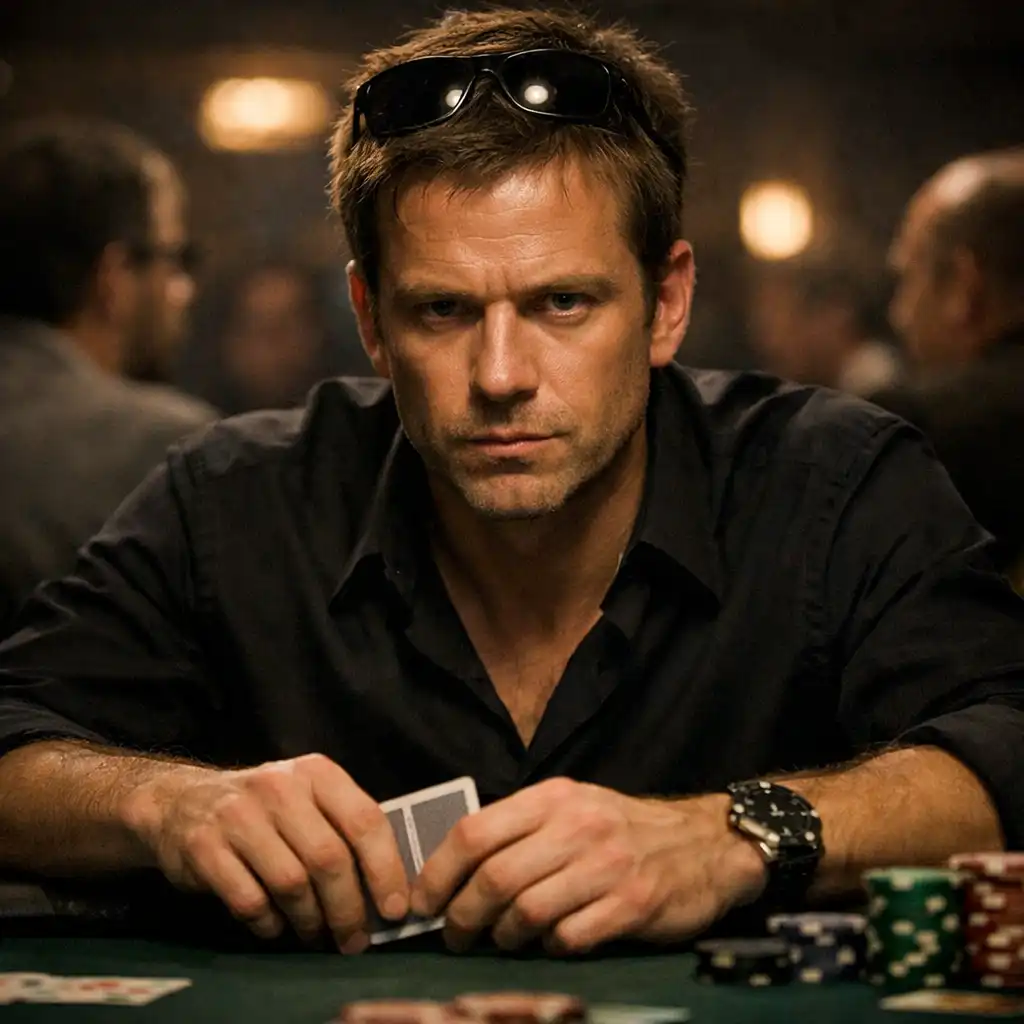
Actor in character as a professional poker player, sitting at a table with a serious expression and sunglasses on their head
An actor in character, studying the table with the focus of a professional player.

Psychological Research

To portray the emotional highs and lows of gambling, actors often research addiction, risk-taking behavior, and the adrenaline of winning and losing. Robert De Niro spent time with real gamblers to understand their mindset for Casino.

James Caan's performance in The Gambler was informed by Dostoevsky's novel of the same name. Actors may visit casinos to observe body language and behavior. The result is a performance that feels less like acting and more like a window into obsession.

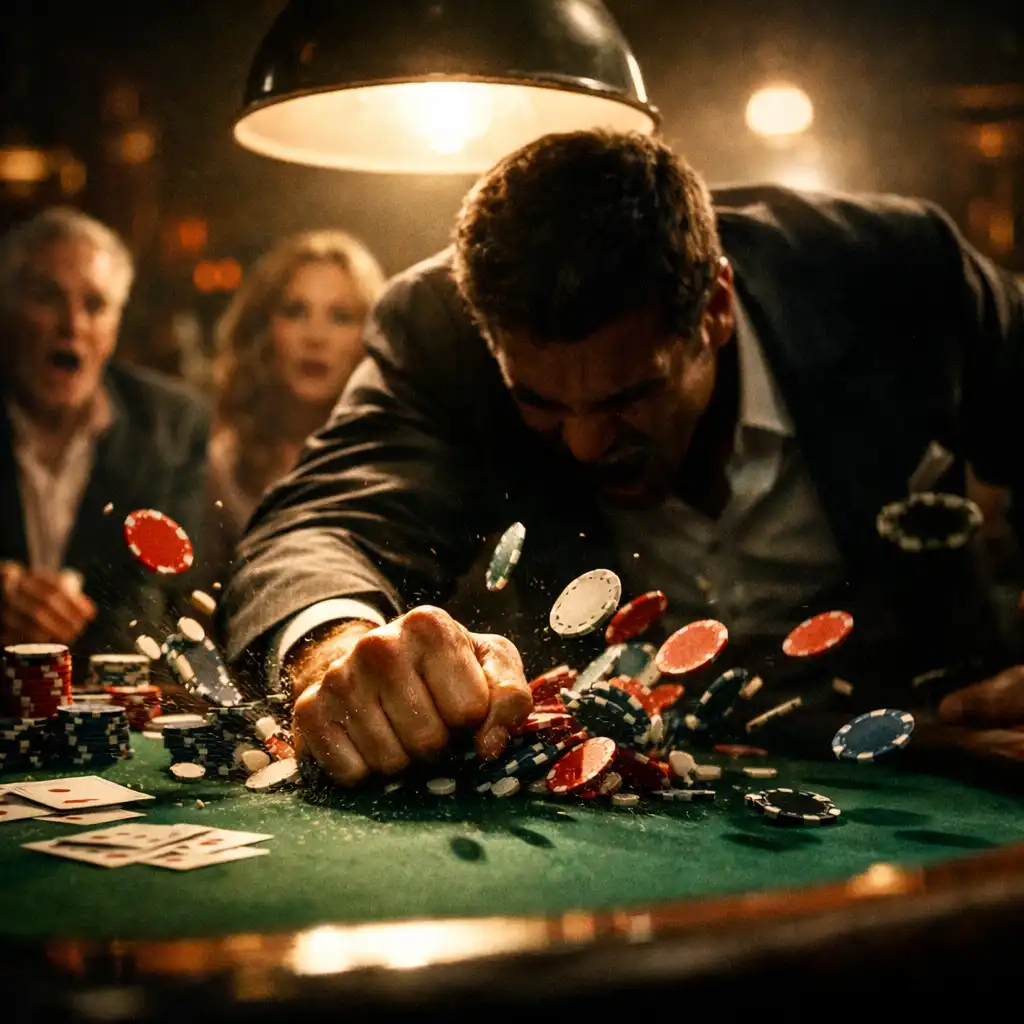
Dramatic scene of a character slamming their fist on a poker table, with chips flying and other players reacting
A moment of explosive frustration, built on weeks of psychological preparation.

Production Trivia and Archival Notes

Did You Know?

Production trivia

Casino films are full of fascinating production details, from improvised lines to real gambling consultants on set. Here are a few archival notes from the genre's history.

  • In Casino, Joe Pesci's character Nicky Santoro was based on real-life mobster Anthony Spilotro.
  • The poker scenes in Rounders were choreographed by professional poker player Johnny Chan.
  • The Bellagio fountains in Ocean's Eleven were filmed with a helicopter and a special permit.
  • Sharon Stone's iconic casino scene in Casino required 12 takes and a custom-built dress.

Featured Insight

The Psychology of Risk

The Gambler's Fallacy on Screen

Casino films often dramatize the gambler's fallacy—the belief that past events influence future outcomes—to create tension and explore character flaws. In The Gambler, the protagonist's self-destructive behavior is driven by a belief in his own luck.

Directors use close-ups and repetitive editing to show the character's obsessive thought patterns. The theme resonates with audiences because it reflects universal human tendencies toward irrationality. The Gambler (1974) is based on the novel by Fyodor Dostoevsky.

Every gambler believes the next hand will be different. That hope is the engine of the drama.